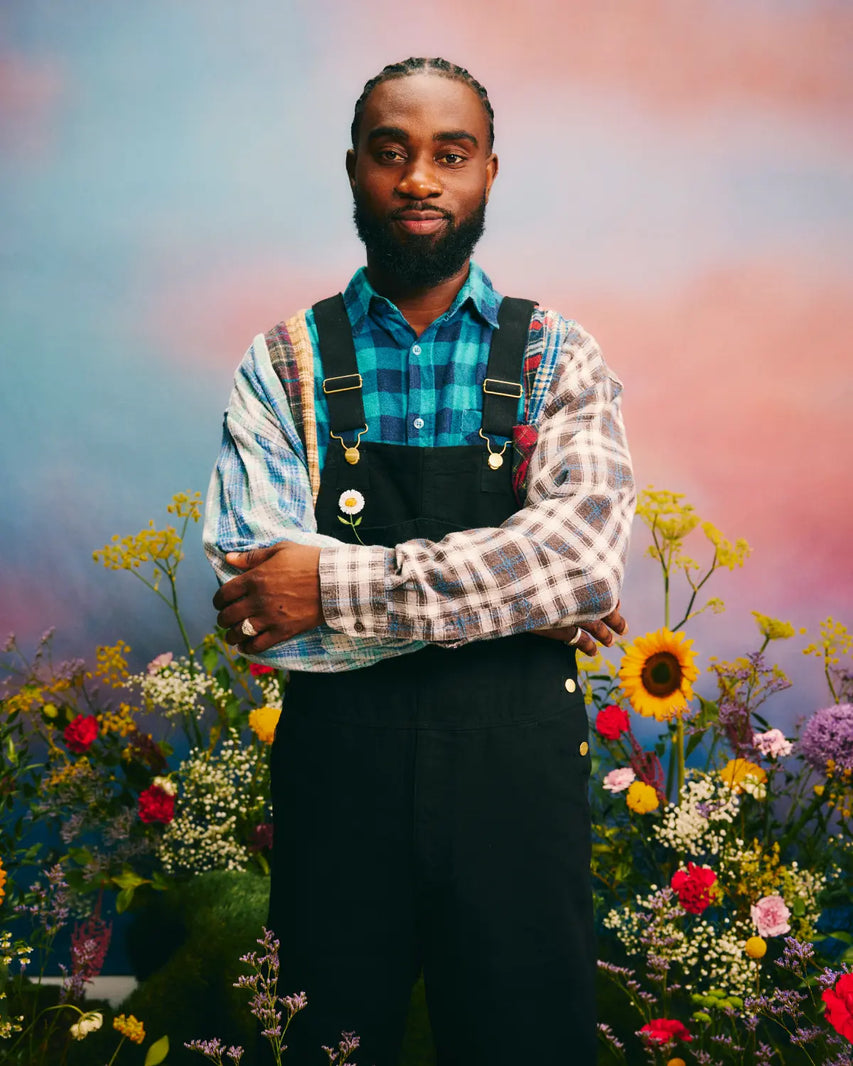
Get Familiar: Dahi
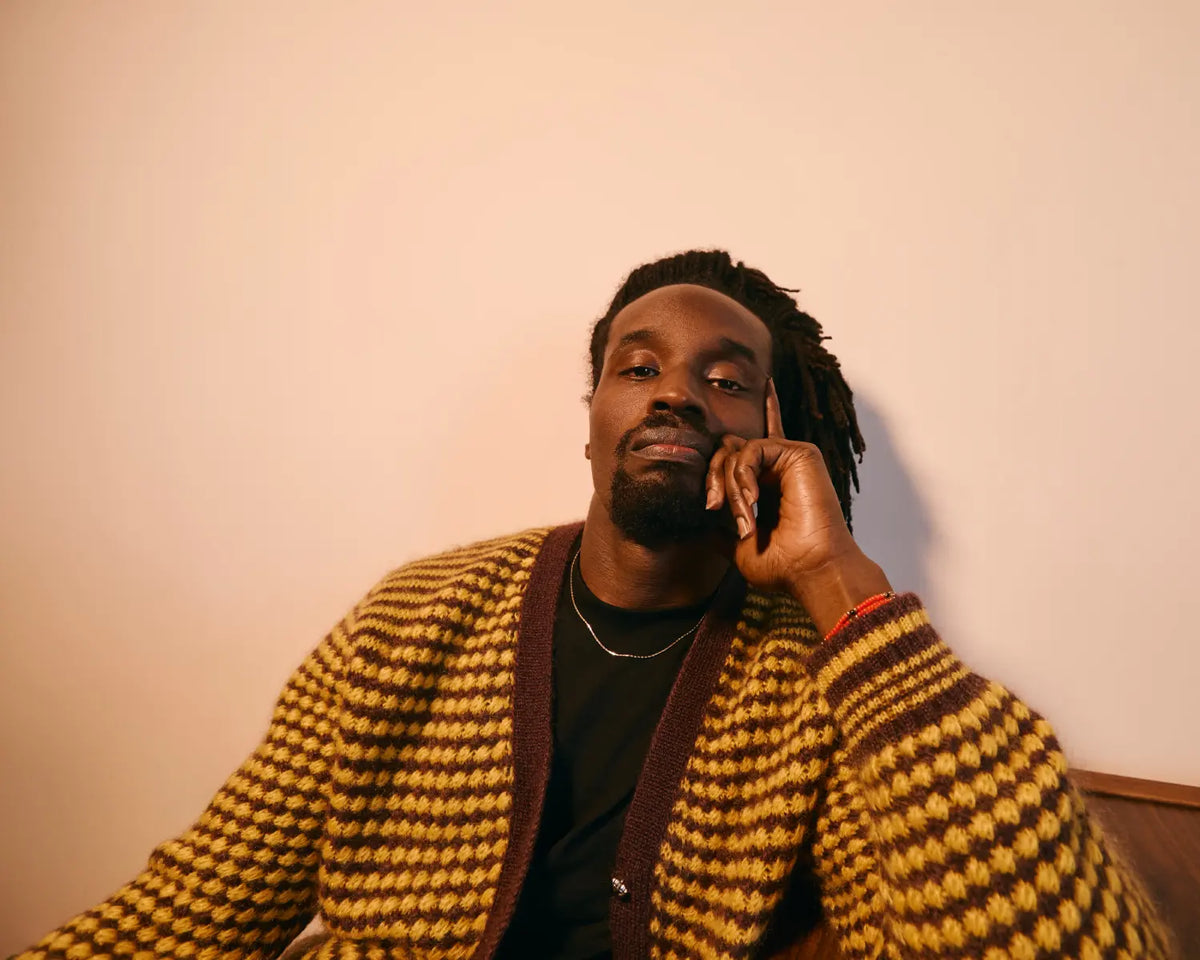
Interview by Passion DEEZ
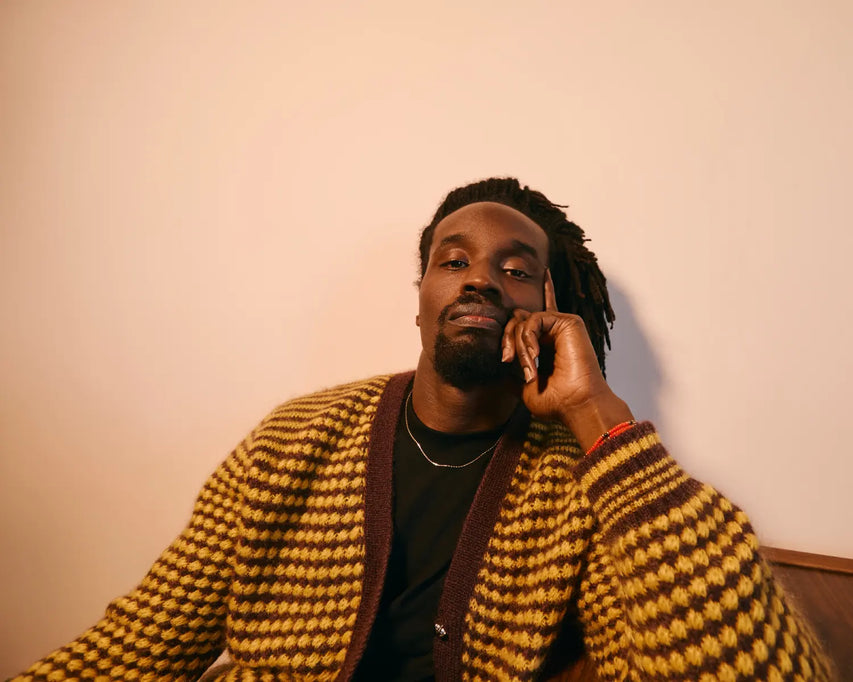
You might know Dahi through records like “Money Trees”, “90210” and “Self Care”, but there is more to the person behind the production credits. Growing up, his curiosity took him towards film scores, classical music and rock, and into conversations about faith, life and everything beyond his immediate surroundings. Music became a way of exploring those interests, but also a way of connecting with people he might otherwise never have met. Pasted markdown Pasted markdown
With Black Boy (Alternative), that curiosity gets a world of its own. Built around drums, guitars and a willingness to let collaborators surprise him, the album came together once Dahi made a deliberate decision to give himself the same attention he had spent years giving other artists. For him, “alternative” is about perspective rather than appearance, and making this record meant trusting his own. We caught up with Dahi to discuss stepping beyond the producer label, finding freedom in collaboration and making music that people can carry with them.

For anyone getting familiar with Dahi beyond the production credits, how would you introduce yourself? What should we know about the person behind the records?
That I’m a pretty easygoing person. I love philosophy and anthropology, but I also love ignorant shit. I think those two things go hand in hand, in terms of who we are culturally, how we are naturally and how we react. Overall, I just try to find the humour in things first and foremost, and deal with the hard stuff after.
When I’m making art or music, I’m usually trying to find things that will emotionally pull you. It doesn’t necessarily mean that I’m trying to make you happy; my goal is just to have an emotional draw. That is what I’m looking for when I’m making music.
What did your musical world look like growing up? Were there things you loved that didn’t necessarily fit with what your friends were listening to?
My musical world was very eclectic, based on what I was exposed to at different stages of my life. Growing up in the inner city, there were always things kids played at school that were considered popular. I thought those things were cool, but I was more pulled towards film scores and classical pieces from musicians across the world. I also loved rock music; that was always pretty prominent and intrigued me growing up.
More than anything, I was always interested in meaningful conversations. Surface-level talk was hard for me to pay attention to, so I was always searching for deeper discussions about religion, faith, life and death. I was a curious kid, always exploring things outside of my neighbourhood or what other kids were talking about.
You’ve helped so many artists find their sound. When it came to making this album, how did you work out what you wanted to say for yourself?
It really came down to what felt unique to me growing up and what I was attracted to. A lot of that was understanding the roots of instruments. There are instruments that everyone plays across the world, like the guitar, but everybody plays them a little differently.
Understanding how an instrument like that brings people together is key. You just have to figure out how to break down the divide, whether it’s from a racial, tonal or gender standpoint, to make things feel uniform and understand that it’s all one thing. We just have to listen and pay attention.
That idea came to me later in the process of making the album, and it made sense to execute it to make the project feel special.
What came first with this album: the title, the sound or something you needed to get off your chest?
The sound came first. The title came last, and the message came after I figured out the sound.
Black Boy (Alternative) is a title that opens up a lot of conversations. What does alternative mean to you? And why did you put it in brackets?
Alternative means perspective. I think that word is powerful in opening people’s eyes because people don’t know what to expect, or they have a preconceived notion of what “alternative” is. They think it’s about the colour of your hair, the clothes you wear or ear piercings. All those things are related to “alternative culture”.
But I think, at the end of the day, it’s just perspective and finding your voice, knowing that not everyone is going to agree or understand it, but being okay with that. That is the power of the word.
I named the album that, and put it in brackets, because we live in a categorised world where it’s easy to label people, art or things to make sense of them. I just wanted to put it “on front street” what this title means, what this project represents and what feels the most honest to my experience.
Have you ever felt that being a Black producer comes with expectations about the music you’re supposed to make? How did those expectations show up while making this record, if at all?
Throughout my career, I’ve moved around a lot, pursuing different artists and projects, but I’ve always stuck to my art form. Early on, as I was working on this album, I wanted to rethink what a “producer album” is. I wanted it to feel like an album, period—not just a “producer album”.
When I think of a Quincy Jones record, I don’t view it as a “producer album”; I just view it as a dope album. While he’s definitely a producer when working for other artists, at the end of the day, he’s just making good music. That was my goal creatively.
I don’t really feel the pressure of those expectations. I tried to establish early on that I just make music. After signing my publishing deal and doing records with Kendrick and Drake, I went to London to work on a pop album with Lily Allen. I’ve worked with artists across all genres, so I’ve always tried to keep my creativity open and avoid being boxed in.
It’s a gift and a curse, because when you have a hit, people want more of the same, but I usually try to be spontaneous and do something different that feels special to me.
At the end of the day, when someone is listening to a song, they aren’t asking, “Is the person who made this Black?” They’re thinking, “Is it good or bad?” Since I’m not singing on most of the tracks I produce, if the music is good, that’s what matters. I take pride in how I move creatively and in never feeling boxed in by others’ expectations.
What changed for you when you dropped DJ from your name? Was that a personal shift, a creative one, or simply catching your name up with who you already were?
I dropped the “DJ” just because of where I was creatively and what I wanted to do. I just wanted to stand on my name and have that be it by itself. I still DJ—it’s a huge part of my creative process, and I’m actually DJing more than I have in a while.
Overall, I think it’s just collectively bringing everything into one thing and not feeling like it’s under the title “DJ”. The idea of who I am and what I represent is just me, at the end of the day. That’s where I felt the most comfortable being. I like the sound of it, and I like the way it looks as a name, by itself: just Dahi.
When you spend years making records with other people, your own ideas can end up waiting their turn. What made you finally give this project the space it needed?
It really came down to committing. I had to take time and set it on my calendar to work on my album and nothing else. When I did that, it gave me the focus and energy to complete it and find a path to finish.
I had to realise that while I was working on other people’s projects and songs, I needed to give as much attention to myself as I did to other artists. That was the turning point for finishing this project.
It’s hard. I’ve always looked at art as vessels, and for a long time, I felt like the artists I was working with had larger voices and could carry my message further than I could. But for my own creative outlet and personal sanity, and to fill what felt like a void in my life, I had to give this project the time and attention it needed.
Did being an experienced producer make it easier to trust yourself on your debut, or harder to let something go without questioning every detail?
Absolutely. I feel like it comes down to knowing who to have in the room and what people’s skills are, and setting a tone that feels open to let the magic happen.
Those are things you learn over your career—knowing that you can’t be too heavy-handed with music; you just have to play. That’s the main thing. Just play and don’t box yourself in.
While rules can sometimes be effective, you have to have the space to react to what you’re doing and let the feeling of what you’re making guide you. That was a big part of what made the album work for me.
How different is the conversation when you invite someone like Kendrick Lamar or Vince Staples into your world, having already worked inside theirs?
To be honest, it was fairly easy because I feel like we’re all left-leaning artists, and we’re searching for something that gives us a unique feeling rather than feeling like certain things are just for everybody.
With all the artists on the album, there’s a unity in “the other”—having that otherness be discovered, trying things and seeing what you can make with something that feels unfamiliar.
Selling them on the idea, having them listen to it and giving them a perspective of what I want to make helps so much in how they want to write a song or what narrative they want to create. I feel like that happens quite well on the album.
With voices as distinct as Fousheé, Moses Sumney, Baby Rose and Ravyn Lenae, how did you decide who belonged on each song? Were you hearing particular people from the beginning?
Not really, to be honest. I had people on my wish list, but overall, I was kind of just going with the flow—whoever showed up ended up on the album.
I don’t mean that I wasn’t being picky; obviously, there were people I wanted. But if I couldn’t get them, or if they weren’t available, I just worked with what I had. For the most part, the people I called showed up to the studio, I sold them on the idea, and they were all in.
By the blessings of God, it just came together. They definitely exceeded my expectations in their performance and lyrically. It’s very rewarding to be surprised when you just let people do what they do, and I was very happy with the results.
Can you take us inside a session where someone brought something you would never have thought to ask for, and changed the direction of the record?
I’d say working with Moses Sumney on “Find Me” was a great example. I remember we had a song or hook idea, and when Moses came in, he said, “I love what you did, but I don’t really sing other people’s lyrics.”
I didn’t know that, which was fun. I told him, “All right, perfect, my man. Well, do what you do. Find some inspiration.”
He went into the booth and freestyled those melodies. It was amazing to see because he really helped me see the song. He helped me view the song closer to what I wanted than I might have realised.
I feel like “Find Me” is a perfect example of Black Boy (Alternative)—just soul and rock all in one place. His performance really brought home the idea that this album is bringing worlds together in a way I feel we haven’t seen in recent times. I feel like this album has a certain colour that feels unique.
Overall, it’s about allowing people the space to create and understanding the power of their voice—how it really is an instrument that you have to know how to use.
What holds this album together for you beyond the guest list? What makes every track part of the same story?
Drums and guitars—I feel like those two things are the tie that binds the album together. From the African polyrhythms to the different styles of guitar playing, they’re really the backbone of what makes the album feel unique to its own world.
That was intentional, and I’m glad it makes sense, especially when listening to the transitions from track to track; those elements really connect everything.
From “Money Trees” to “90210” and “Self Care”, people have built real memories around music you helped make. What’s it like hearing someone describe what one of those records means to them?
It’s great. Going back to my earlier point, I think music is timeless if you allow it to be. Having records that resonate 10, 15 or 20 years down the line is powerful, especially seeing how these songs have become anthems to a certain degree.
For me, I always think about when I made these tracks—being in my bedroom by myself, experimenting and trying things out—and then having the world hear them and react to them. It’s really cool to see the journey of a song.
I don’t take it as being about me; it’s just about connection at the end of the day. I’ve been able to travel the world just off of music, which is incredible. Creating relationships with people in other countries through music is crazy—you don’t really understand the power of it until you live it and see how it affects people.
That’s why I take what I do seriously; I don’t want to take it for granted. I’m very appreciative of the gifts it’s given me, and I’m always trying to give the music the respect and grace it needs.

For Dahi, making this album started with something practical: clearing space in the calendar and giving his own work the attention it deserved. What followed still depended on being open to other people, whether that meant letting Moses Sumney rewrite a song’s possibilities or trusting a collaborator to bring something unexpected into the room. There is room for all of that within his idea of alternative. The point is to find your voice without deciding in advance everything it has to sound like.